Plan a Successful Event with Ease
Events, Planning, Magnetic Dash Plaques
How To Run A Successful Car Show: Complete Guide for Event Promoters(Without Losing Your Mind)
Event planning can feel overwhelming, but with a clear plan, smart budgeting, and the right materials (like eye-catching Magnetic Dash Plaques), you can create an event people talk about all year long. This guide walks you through every step—from choosing your event type to following up the day after—so you can feel confident and in control.
Feeling Overwhelmed? That’s Completely Normal
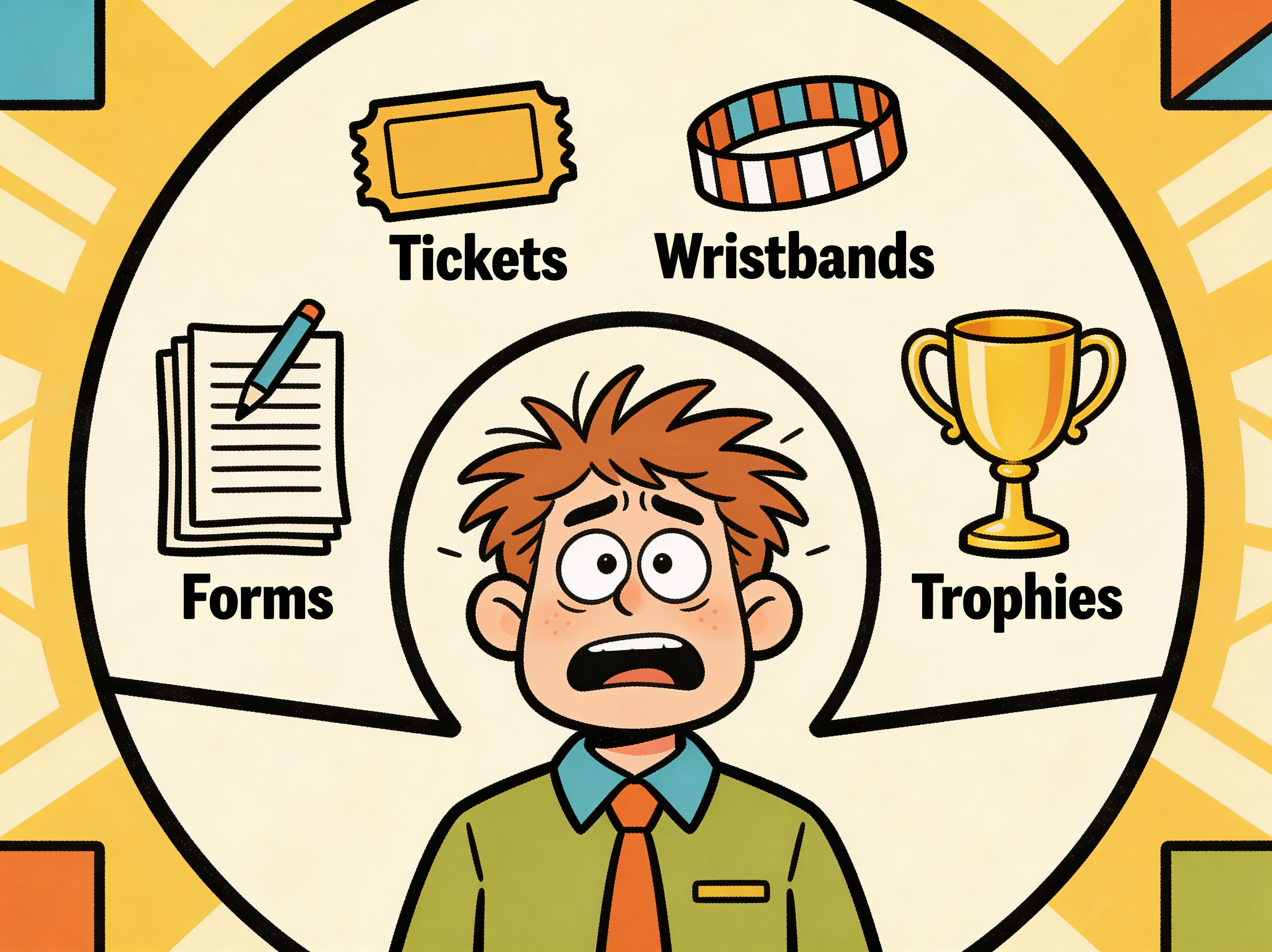
If event planning feels like juggling flaming torches while riding a unicycle, you’re not alone. There are dates to pick, venues to book, budgets to manage, sponsors to keep happy, and a hundred tiny details that only seem to pop into your head at 2 a.m. The good news is that overwhelm usually comes from one thing: trying to keep everything in your head instead of putting it into a simple, step‑by‑step plan.
Think of this guide as your friendly checklist. We’ll break the process into manageable chunks, highlight common mistakes to avoid, and show you how to add memorable touches—like customized Magnetic Dash Plaques that double as keepsakes and subtle marketing tools. By the end, you’ll have a clear roadmap you can reuse year after year.
Step 1: Choose Your Event Type and Purpose
Before you worry about tents or trophies, get crystal clear on what kind of event you’re hosting and why. Your event type shapes everything else: your budget, your venue, your promotions, even your awards and dash plaques. Here are a few popular options:
Charity event: Designed to raise funds or awareness. You’ll focus on ticket sales, donations, sponsors, and meaningful storytelling. Highlight where the money goes and consider special plaques or trophies that mention the cause to make supporters feel proud of their contribution.
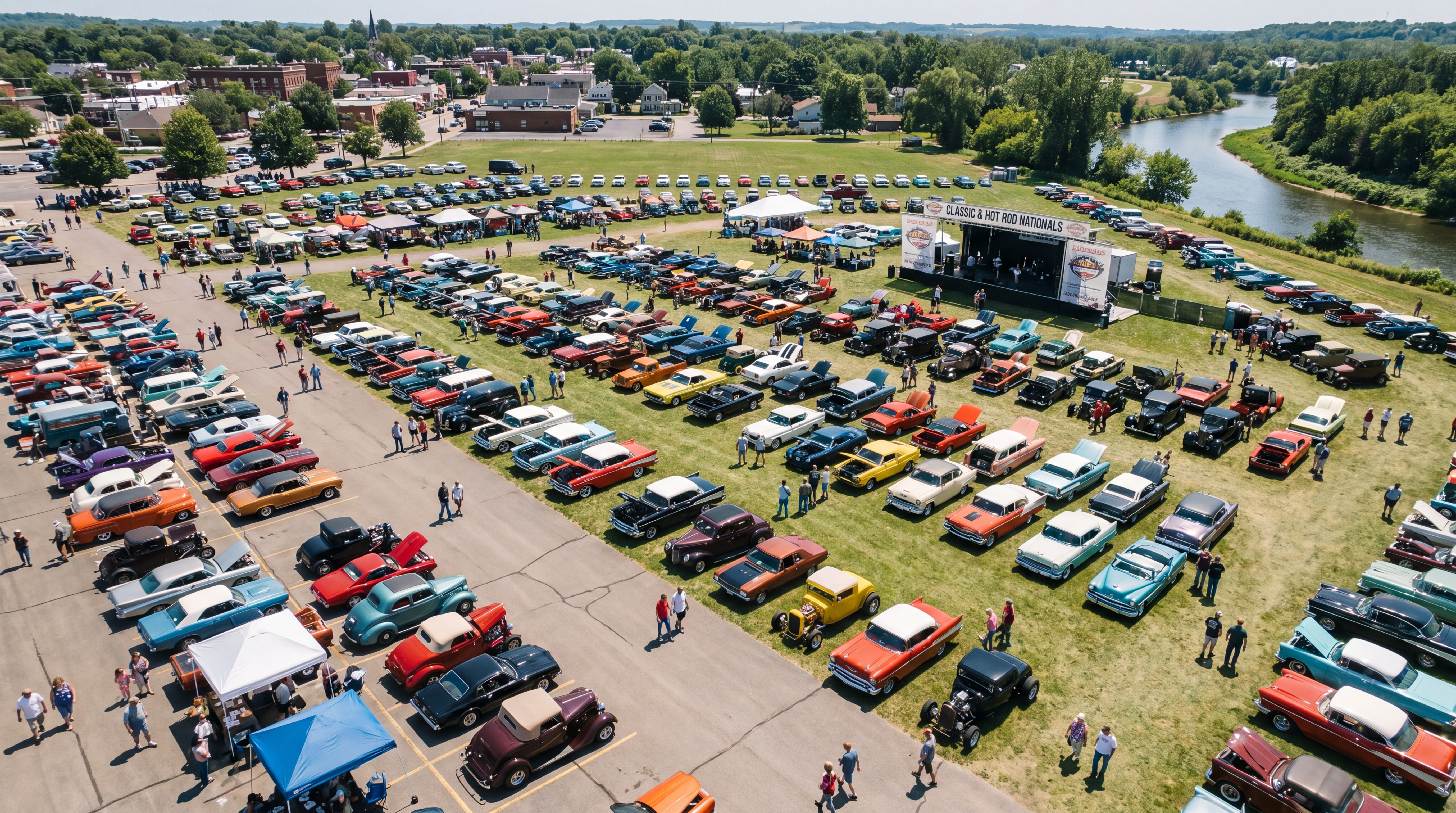
Cruise night: A more relaxed, social gathering where people come and go, often in the evening. You may not have formal judging, but dash plaques, music, and food trucks can create a fun, laid‑back vibe that keeps people coming back every week or month.
Judged show: Here, competition is the star. You’ll need clear classes, judging sheets, experienced judges, and quality awards. This is the perfect place to use attractive trophies and Magnetic Dash Plaques that participants are proud to display on their vehicles or toolboxes afterward.
Themed show: Maybe it’s a “’80s Night,” “Trucks Only,” or “Cars & Coffee.” A strong theme helps with decorations, music, awards, and social media promotion. Themed plaques, banners, and signage pull everything together visually and make the event feel cohesive and memorable.
Club gathering: Ideal for smaller groups or recurring meet‑ups. These are more about community than competition, but you can still elevate the experience with simple awards, club‑branded dash plaques, and a consistent schedule and location.
Once you’ve chosen your event type, write down a one‑sentence purpose, such as, “We’re hosting a judged car show to raise $5,000 for charity and grow our club membership.” That sentence becomes your north star whenever decisions feel overwhelming.
Step 2: Secure the Right Venue (and Think Like an Attendee)
The wrong venue can sink a great event, even if everything else is perfect. When scouting locations, walk through the day in your mind from your guests’ point of view. Ask yourself:
Parking: Is there enough space for vehicles, trailers, and spectators? Is it easy to enter and exit without causing traffic jams? For car events, flat, well‑marked parking is essential, especially if you’ll be placing dash plaques or numbers on vehicles at entry.
Traffic flow: Can cars move smoothly through registration, parking, judging, and exit? Plan separate lanes for show vehicles and spectators when possible. Clear signage and volunteers make a huge difference here and prevent that “chaotic first hour” so many organizers dread.
Permits: Check with the city, county, or property owner about permits, insurance requirements, noise ordinances, and capacity limits. Skipping this step is one of the most common (and costly) event planning mistakes, so tackle it early to avoid last‑minute surprises.
Bathrooms: Are there enough restrooms for the size of your crowd? If not, factor portable toilets into your budget. Clean, accessible bathrooms are one of those unglamorous details that guests absolutely remember—especially if they aren’t there.
Food vendors: People stay longer (and spend more) when they’re not hungry. Check whether the venue allows outside vendors, food trucks, or on‑site grilling. Make sure you understand power access, health regulations, and where lines will form so they don’t block traffic or displays.
As you evaluate venues, sketch a simple layout: registration table, parking rows, vendor area, stage or announcement area, restrooms, and exits. This drawing will later guide your signage and where you place banners and Magnetic Dash Plaques for maximum visibility and branding.
Step 3: Build a Realistic Budget (and Stick to It)
A clear budget turns event planning from stressful guesswork into simple math. Start with your expected income—entry fees, vendor fees, sponsorships, donations—and then list your expenses. Here are key categories to consider:
Trophies and plaques: Awards are often the highlight of judged shows and competitions. Decide how many classes you’ll have, and price out quality trophies and plaques. Consider pairing traditional trophies with custom Magnetic Dash Plaques so winners get both a display piece and a functional keepsake that promotes your event year‑round.
Insurance: Many venues require liability insurance. Contact your insurance provider or a local agent early, and build this into your budget instead of treating it as an unpleasant surprise later on.
Entertainment: Music, DJs, live bands, announcers, or kids’ activities all add energy and help people stay longer. Get quotes in writing and clarify what’s included (sound system, setup time, breaks, etc.) so you’re not scrambling for extra equipment on the day of the event.
Advertising and promotion: This includes printed flyers, boosted social media posts, local radio mentions, and any design work. Even if you’re relying heavily on word of mouth, set aside at least a small budget to extend your reach beyond your immediate circle.
Add a line for event materials—dash plaques, banners, wristbands, signage, and registration supplies. High‑quality Magnetic Dash Plaques may cost a bit more than paper handouts, but they tend to live on toolboxes, fridges, and car interiors long after the event ends, quietly reminding people to come back next year. That long‑term visibility is worth planning for in your budget.
Ordering key materials early keeps registration smooth and helps your event look polished.
Step 4: Promote Your Event Like a Pro
Even the best‑planned event will feel disappointing if nobody shows up. The key is to promote consistently in the weeks leading up to your date, using both online and offline tools. You don’t have to do everything, but choose a mix that fits your audience and stick with it.
Make the Most of SEO and Your Website
If you have a website, create a dedicated event page with all the details: date, time, location, entry fees, classes, awards, and contact information. Use simple, descriptive phrases people might search for, such as “classic car show in [your city]” or “charity cruise night near me.” This is also the perfect place to include internal links to important resources—like your registration form and sponsor information. Internal linking not only helps visitors find what they need quickly but can also support your site’s SEO by showing search engines how your content is connected.
Social Media: Facebook Events and Instagram
Create a Facebook Event with clear information and eye‑catching graphics. Invite your friends, club members, and sponsors, and encourage them to share. Post updates regularly: vendor spotlights, award previews, sneak peeks of your Magnetic Dash Plaques, and reminders about registration deadlines. Each post is another chance for people to discover your event organically through shares and comments.
On Instagram, share photos from previous events, behind‑the‑scenes planning, and teaser shots of trophies, plaques, and banners. Use local hashtags and niche tags (like #carshow, #cruisenight, or your city’s name) to reach people nearby who are interested in your type of event. Don’t forget to include a link in your bio to your event page so new followers can learn more and register easily.
Offline Promotion: Flyers and Local Businesses
Printed flyers still work—especially for local events. Ask nearby businesses, auto shops, restaurants, and community centers if you can leave a stack by the register or on a bulletin board. In return, offer to list them as supporters or sponsors on your website, event banners, or Magnetic Dash Plaques. This kind of cross‑promotion benefits everyone and helps you tap into existing customer bases you might not reach online.
Email Marketing and SMS Reminders
If you’ve hosted events before, your email list is gold. Send a series of friendly reminders: a “Save the Date” announcement, a “Registration Is Open” email, and a “One Week to Go” message with final details. Keep these emails short, clear, and focused on the benefits of attending. Include links back to your event page and, where relevant, to your internal resources such as your Magnetic Dash Plaques information page so people can see the kind of high‑quality materials you use.
For those who opt in, SMS reminders can be incredibly effective. A simple text the day before—“Don’t forget, gates open at 9 a.m. tomorrow for the [Event Name]!”—can significantly improve attendance, especially for busy people who intend to come but might forget.
Step 5: Order Event Materials Early (This Is Where Many People Slip Up)
One of the biggest and most avoidable event planning mistakes is waiting too long to order physical materials. Printers and suppliers get busy, shipping can be delayed, and last‑minute rush fees eat into your budget. Aim to finalize your designs and place orders several weeks in advance for items like:
Dash plaques: Customized Magnetic Dash Plaques are more than souvenirs—they’re mini billboards that participants keep. Include your event name, date, logo, and website so every time someone sees that plaque, they’re reminded of the experience and know where to find you again. Ordering early also gives you time to proof designs and ensure the colors and details look exactly how you want them.
Banners: Large banners at the entrance, registration area, and stage help guests feel like they’re at a professionally organized event. They’re also a great place to feature sponsor logos, which can make sponsorship packages more attractive and easier to sell next year.
Wristbands: Color‑coded wristbands make it easy to tell who has paid, who is a vendor, and who is part of your volunteer team. This simple system cuts down on confusion and helps you keep the event secure without feeling strict or unfriendly.
Signage: Directional signs, parking arrows, “Registration Here” boards, and “Restrooms This Way” signs reduce stress for guests and volunteers alike. Good signage also prevents the same questions from being asked all day long, freeing you up to focus on bigger issues.
As you plan your materials, think about where you can include your website URL and subtle calls‑to‑action. Magnetic Dash Plaques, banners, and even judging sheets can all gently point people back to your site, where internal links guide them to next year’s event, photo galleries, and sponsor pages.
Step 6: Create a Day‑Of Checklist So Nothing Gets Missed
The day of your event will be busy, but it doesn’t have to be chaotic. A simple checklist, printed and shared with your core team, keeps everyone focused. At minimum, include:
Registration table: Set up early with clipboards, pens, cash box or card reader, wristbands, pre‑numbered entry forms, and your dash plaques. Have a clear system for checking people in and handing out materials so the line moves quickly and everyone feels welcomed, not rushed.
Judging sheets: Organize these by class or category and label them clearly. Provide clipboards and pens for judges, plus instructions or criteria so scoring is consistent. Collect sheets in one central spot when judging is complete to avoid lost results or confusion during awards.
Volunteers: Assign roles in advance—registration, parking, info desk, raffle table, cleanup—and give each person a short written description of their duties. A quick morning huddle to review the schedule and answer questions goes a long way toward keeping everyone calm and confident.
Parking team: These are your front‑line ambassadors. Equip them with safety vests, clear instructions, and a layout map. Their job is to keep traffic moving safely and help participants park in neat rows, which makes the whole event look more impressive and easier to navigate for judges and spectators alike.
Raffle setup: If you’re running raffles or 50/50 drawings, set up a dedicated table with tickets, containers, signage, and a visible schedule for drawings. Announce winners clearly and thank sponsors over the PA system to give them extra recognition and encourage future support.
Build in a few “quiet checks” during the day—times when you or a trusted helper walk the grounds looking for issues: overflowing trash cans, blocked driveways, or confused guests. Catching small problems early keeps them from turning into big headaches later.
Step 7: Make Your Event Truly Memorable
People remember how an event made them feel more than the exact schedule or the weather. To stand out in a crowded calendar, focus on a few thoughtful touches that show you care about your attendees’ experience:
Greet participants by name at registration whenever possible and thank them for coming. A warm welcome sets the tone for the entire day.
Offer small perks like a free coffee station, shaded seating area, or water coolers on hot days. These simple comforts make people feel cared for and more likely to stay longer and return next year.
Highlight unique elements, such as a special display area, a kids’ zone, or a “best of show” parade at the end. Use your PA system to keep everyone informed and excited about what’s happening next.
Use branded materials—banners, Magnetic Dash Plaques, and signage—to give your event a cohesive, professional look. When attendees take those plaques home, they’re reminded of the good time they had and are more likely to talk about it with friends, which is some of the best advertising you can get.
Memorable events don’t have to be the biggest or the flashiest. They’re the ones where people feel welcomed, informed, and appreciated—and where they leave with something tangible, like a Magnetic Dash Plaque, that keeps the memory alive.
Step 8: Post‑Event Follow‑Up (Where Next Year’s Success Begins)
When the last car leaves and the tents come down, it’s tempting to collapse and forget about events for a while. But a little post‑event follow‑up goes a long way toward building momentum for next year and turning first‑time visitors into loyal regulars.
Post photos: Share albums on your website and social media within a few days. Tag attendees and sponsors when possible. On your website, use internal links to connect photo galleries to your event recap, sponsor pages, and information about your event materials such as Magnetic Dash Plaques so visitors can explore more of what you offer.
Thank sponsors and volunteers: Publicly thank them in posts and emails, and consider sending a short personal note or certificate. Recognized partners are far more likely to support you again, and volunteers who feel appreciated will tell their friends about helping out next time.
Collect emails and feedback: If you didn’t gather contact details at registration, create a simple form and share it online. Ask what people loved, what could be improved, and what they’d like to see next year. These insights are priceless when you sit down to plan again, and they help you avoid repeating the same mistakes.
Promote next year early: Even if you don’t have a firm date yet, let people know you’re planning to return. A simple “We’ll be back next summer—join our email list for updates” keeps your event in people’s minds and gives you permission to reach out later with specific details and registration links.
Finally, include a clear call‑to‑action (CTA) in your follow‑up posts and emails. Invite people to:
Join your email list or SMS updates
Follow your social media pages for announcements and photos
Visit specific pages on your website—such as your recap and sponsor list.
These internal links help guide people through your site, deepen their connection to your event, and quietly prepare them to sign up again next time.
Avoiding Common Event Planning Mistakes
As you put all of this into practice, keep an eye out for a few pitfalls that trip up even experienced organizers:
Waiting too long to book your venue or order materials, leading to limited choices, rush fees, or missing items on the big day.
Underestimating the importance of signage, bathrooms, and parking flow—details that guests notice immediately when they’re missing or confusing.
Skipping a budget or failing to track expenses, which can turn a fun event into a financial headache, especially for charity shows that depend on every dollar raised.
Relying on last‑minute promotion instead of building steady awareness through SEO, social media, local businesses, email, and SMS reminders.
Forgetting to capture attendee information and follow up, which means you’re starting from scratch every year instead of growing a loyal community.
The more you plan ahead—and the more you lean on checklists like the ones in this guide—the easier it becomes to avoid these mistakes. Each event teaches you something new, and over time, your planning process will feel less overwhelming and more like a familiar routine you can refine and improve.
Bringing It All Together
Planning a successful event doesn’t require superhuman powers—just a clear purpose, a realistic budget, a thoughtful venue choice, and a commitment to good communication before, during, and after the big day. When you add in professional touches like well‑designed banners, clear signage, and memorable Magnetic Dash Plaques, your event feels polished, welcoming, and worth talking about.
Start with your event type and goals, secure a venue that works for your crowd, build a budget that covers trophies, plaques, insurance, entertainment, and advertising, and promote steadily using SEO, social media, local partners, email, and SMS. Order your materials early, lean on a solid day‑of checklist, and follow up afterward with photos, thanks, and clear calls‑to‑action that point people back to your website and your next event.
With each event you host, you’ll learn, grow, and refine your process. Soon, what once felt overwhelming will feel exciting—and you’ll have a community of attendees, sponsors, and volunteers who look forward to seeing your name on the calendar every year, proudly displaying their Magnetic Dash Plaques as a reminder of the great times you’ve created together.